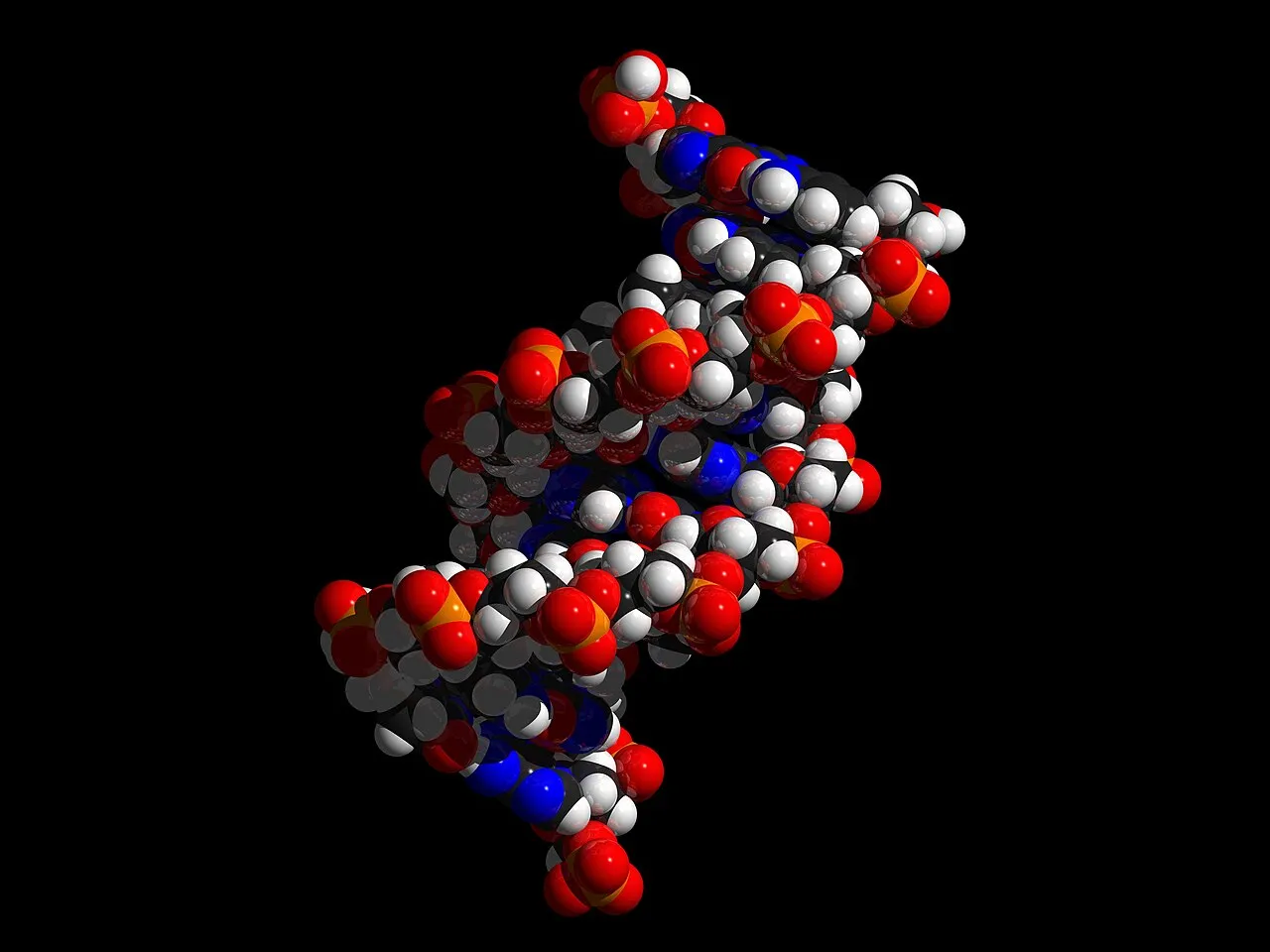
ARA-290 10mg is a research-grade synthetic peptide derived from the tertiary structure of erythropoietin (EPO) and developed specifically for laboratory investigations involving innate tissue-protective receptor signaling, inflammatory pathway biology, cytokine-associated molecular communication, and intracellular signaling networks. Unlike full-length erythropoietin, which is primarily recognized for its role in erythropoiesis, ARA-290 is investigated because of its ability to interact with non-erythropoietic signaling pathways, making it an important investigational tool within molecular biology, peptide pharmacology, immunology, and systems biology.
One of the defining characteristics of ARA-290 research is its relationship with the innate repair receptor (IRR), also referred to as the tissue-protective receptor (TPR). Researchers investigate how activation of this receptor complex influences intracellular communication, coordinated molecular signaling, and cellular responses to environmental stress under carefully controlled laboratory conditions. These investigations distinguish ARA-290 from traditional erythropoietin research and continue expanding scientific understanding of receptor-selective peptide biology.
Scientific investigations also examine ARA-290 within studies involving cytokine-associated signaling. Laboratory research evaluates molecular pathways involving tumor necrosis factor-alpha (TNF-α), interleukins (ILs), chemokine-associated communication, intracellular messenger systems, and coordinated signaling cascades responsible for regulating cellular communication. These investigations contribute to broader scientific understanding of peptide-mediated molecular regulation without implying therapeutic outcomes.
Another important area of ARA-290 research involves cellular stress signaling and intracellular regulatory mechanisms. Researchers investigate peptide-mediated interactions involving NF-κB, JAK/STAT, MAPK, oxidative signaling networks, mitochondrial communication, and coordinated molecular responses associated with cellular adaptation. These investigations continue advancing systems biology and peptide pharmacology research.
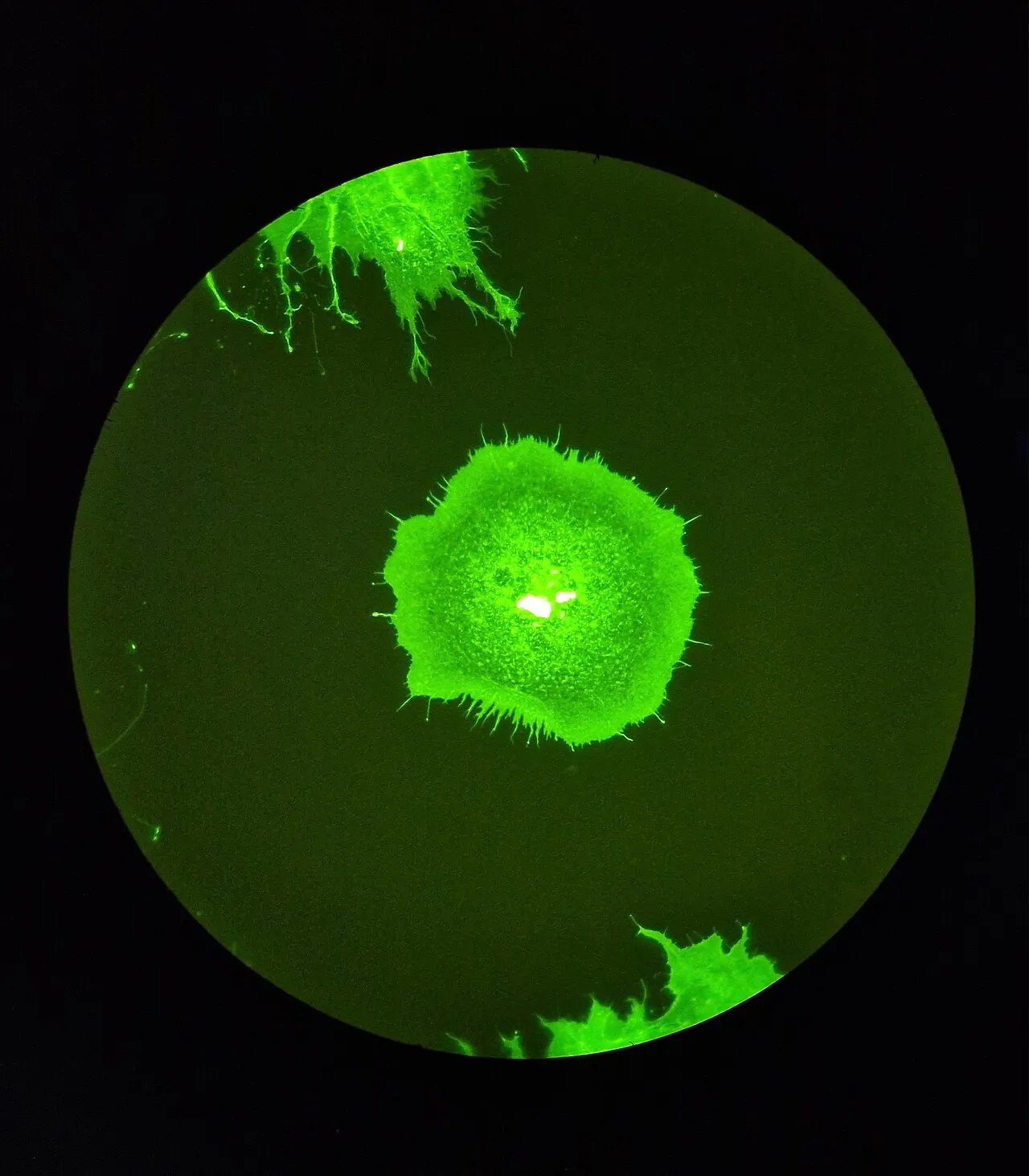
Current laboratory investigations additionally evaluate ARA-290 in relation to innate immune biology and cellular communication. Researchers examine molecular interactions involving macrophages, immune-associated signaling molecules, receptor biology, intracellular kinase regulation, and coordinated communication networks that contribute to the expanding scientific understanding of peptide-mediated signaling.
Comparative peptide pharmacology represents another important area of ARA-290 research. Researchers frequently compare ARA-290 with investigational peptides including Thymosin Alpha-1, LL-37, KPV, BPC-157, TB-500, and additional immunomodulatory research peptides to evaluate differences in receptor interactions, intracellular signaling, cytokine-associated pathways, analytical characteristics, and laboratory applications. These comparative investigations continue advancing peptide science and molecular pharmacology.
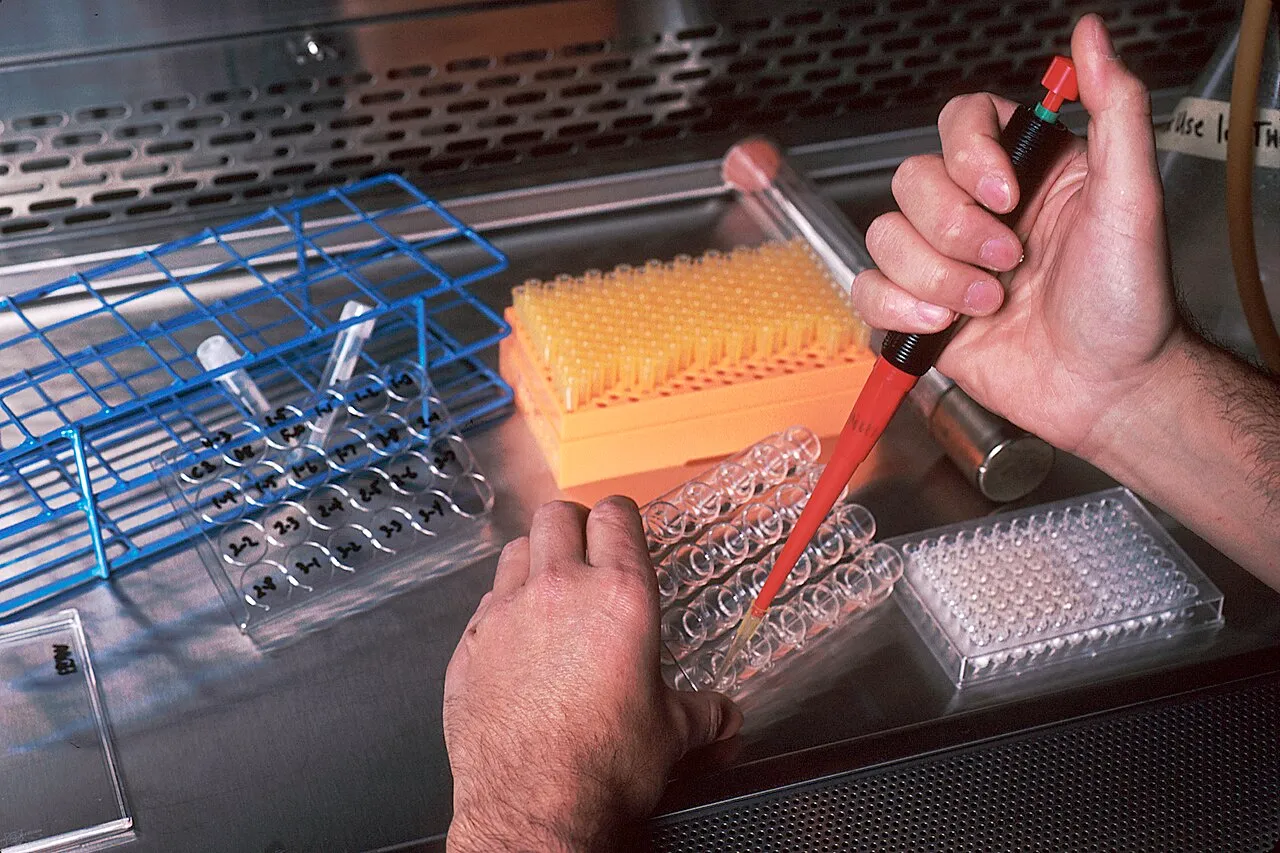
The 10mg presentation is particularly appropriate for laboratories conducting receptor biology investigations, biomarker discovery, analytical validation, assay development, pharmacodynamic research, molecular characterization, and collaborative institutional research requiring increased research material. Although multiple strengths may be available, the molecular identity, amino acid sequence, analytical quality standards, and scientific applications remain consistent throughout the ARA-290 product family.
Beyond receptor biology investigations, ARA-290 serves as an important analytical reference material in peptide chemistry, molecular characterization, analytical method development, peptide stability investigations, biomarker discovery, systems biology, immunology research, and analytical assay optimization. Its reproducible analytical profile makes it valuable for laboratories investigating selective receptor biology and peptide-mediated signaling mechanisms.
Each batch of ARA-290 10mg is manufactured according to research-grade production standards and undergoes comprehensive analytical verification before release. Quality assurance procedures include High-Performance Liquid Chromatography (HPLC) purity analysis, molecular identity confirmation, peptide sequence verification, and rigorous batch-specific quality control testing. These analytical measures support reproducibility, consistency, and confidence across independent laboratory investigations.
To preserve molecular integrity, ARA-290 should be stored according to accepted laboratory recommendations for lyophilized peptides. Appropriate storage conditions, controlled handling practices, and adherence to established laboratory protocols help maintain peptide stability before analytical evaluation and experimental preparation.
Although ARA-290 continues to attract increasing scientific interest, research remains focused on innate repair receptor biology, tissue-protective signaling, cytokine regulation, cellular stress pathways, immune-associated molecular communication, and intracellular signaling networks. Consequently, ARA-290 10mg should be regarded as an investigational research peptide intended exclusively to support laboratory research and scientific discovery.
ARA-290 10mg is supplied exclusively for laboratory research and analytical applications. This product is intended for Research Use Only (RUO) and is not approved for human consumption, therapeutic use, veterinary applications, or diagnostic purposes.