BPC-157 Spray 5mg is a research-grade intranasal peptide formulation developed for laboratory investigations involving BPC-157 , peptide signaling, angiogenic biology, and molecular pharmacology. The standardized spray formulation supports investigations into peptide stability, formulation science, intracellular signaling, and intranasal delivery systems while maintaining rigorous analytical quality standards for Research Use Only applications.
HPLC certified
Independent analysis
Highest standard
Full traceability
BPC-157 Spray 5mg is an investigational intranasal peptide formulation containing Body Protection Compound-157 (BPC-157), a synthetic pentadecapeptide derived from a naturally occurring gastric protein fragment. Scientific investigations commonly examine BPC-157 for its relationship with angiogenic signaling, nitric oxide-associated pathways, extracellular matrix biology, peptide-mediated cellular communication, and molecular regulatory mechanisms. The intranasal spray presentation enables researchers to investigate formulation stability, analytical reproducibility, peptide integrity, and standardized delivery system performance under controlled laboratory conditions.
Current scientific literature frequently associates BPC-157 investigations with VEGF signaling, nitric oxide (NO) pathways, focal adhesion kinase (FAK), extracellular matrix interactions, cytoskeletal organization, and intracellular communication. Researchers also compare BPC-157 with investigational peptides including TB-500, GHK-Cu, KPV, MOTS-c, and Epitalon to better understand molecular characteristics, formulation behavior, peptide stability, and laboratory applications. Manufactured according to stringent research-grade standards and supported by comprehensive analytical verification, BPC-157 Spray 5mg provides dependable investigational material for peptide chemistry, molecular biology, formulation science, and laboratory research.
BPC-157 Spray 5mg is a research-grade intranasal peptide formulation developed to support laboratory investigations involving Body Protection Compound-157 (BPC-157), angiogenic biology, molecular pharmacology, peptide chemistry, intracellular communication, formulation science, and cellular biology research. BPC-157 is a 15-amino acid synthetic peptide derived from a naturally occurring protein fragment originally identified in gastric tissue. Because of its unique molecular structure and expanding scientific literature, BPC-157 has become one of the most extensively investigated investigational peptides in molecular biology, peptide pharmacology, and cellular signaling research. The standardized intranasal spray formulation enables researchers to investigate peptide stability, formulation science, analytical reproducibility, and delivery characteristics under controlled laboratory conditions.
A primary area of BPC-157 research focuses on angiogenic signaling pathways. Researchers investigate peptide-mediated communication involving vascular endothelial growth factor (VEGF), endothelial signaling proteins, nitric oxide-associated pathways, extracellular matrix proteins, and molecular regulatory mechanisms to better understand coordinated cellular signaling within experimental systems. These investigations remain exclusively within Research Use Only laboratory applications.
Scientific investigations also examine BPC-157 in relation to intracellular signaling pathways involving nitric oxide synthase (NOS), FAK/paxillin signaling, ERK/MAPK pathways, PI3K/Akt signaling, transcriptional regulation, cytoskeletal organization, and peptide-mediated molecular communication. Researchers continue evaluating these interconnected pathways to better characterize intracellular signaling mechanisms and peptide pharmacology in laboratory models.
The intranasal spray formulation provides additional scientific value by allowing laboratories to investigate formulation stability, spray consistency, peptide integrity, physicochemical characteristics, analytical reproducibility, and intranasal delivery system performance. Comparative laboratory investigations frequently evaluate spray formulations alongside lyophilized peptide preparations to better understand formulation behavior, stability profiles, analytical characteristics, and standardized laboratory handling procedures.
BPC-157 Spray is commonly investigated alongside TB-500, GHK-Cu, KPV, MOTS-c, Epitalon, and additional regulatory peptides. Comparative laboratory studies evaluate peptide sequence, intracellular signaling pathways, molecular stability, analytical chemistry, formulation science, and peptide pharmacology to better understand similarities and distinctions among investigational peptide systems.
The 5mg formulation is particularly valuable for laboratories conducting peptide characterization, formulation comparison studies, molecular biology research, analytical validation, intracellular signaling investigations, biomarker discovery, and cellular biology experiments requiring standardized intranasal investigational materials.
Beyond molecular biology investigations, BPC-157 Spray serves as an important analytical reference material within peptide chemistry, molecular biology, analytical chemistry, pharmaceutical analysis, proteomics, biochemistry, formulation science, drug delivery research, cell biology, and systems biology. The expanding scientific literature surrounding BPC-157 provides researchers with valuable investigational material for analytical method development, formulation comparison studies, laboratory quality assurance, and peptide stability investigations.
Each batch of BPC-157 Spray 5mg is manufactured according to stringent research-grade production standards and undergoes comprehensive analytical verification before release. Quality assurance procedures include peptide identity confirmation, analytical purity verification, formulation consistency evaluation, packaging inspection, microbial quality testing where appropriate, and batch-specific quality control documentation. These procedures support reproducibility, consistency, and confidence across independent laboratory investigations.
To preserve formulation quality, BPC-157 Spray should be stored according to accepted laboratory recommendations for peptide formulations. Appropriate storage conditions, controlled laboratory handling, and adherence to institutional protocols help maintain formulation integrity before analytical evaluation and experimental use.
Although BPC-157 continues to receive significant scientific attention, research involving angiogenic signaling, nitric oxide-associated pathways, VEGF biology, intracellular communication, and intranasal peptide formulation science remains active and continues to evolve. Accordingly, BPC-157 Spray 5mg should be regarded exclusively as an investigational laboratory material intended to support scientific discovery and analytical research.
BPC-157 Spray 5mg is supplied exclusively for laboratory research and analytical applications. This product is intended for Research Use Only (RUO) and is not approved for human consumption, therapeutic use, veterinary applications, cosmetic use, or diagnostic purposes.
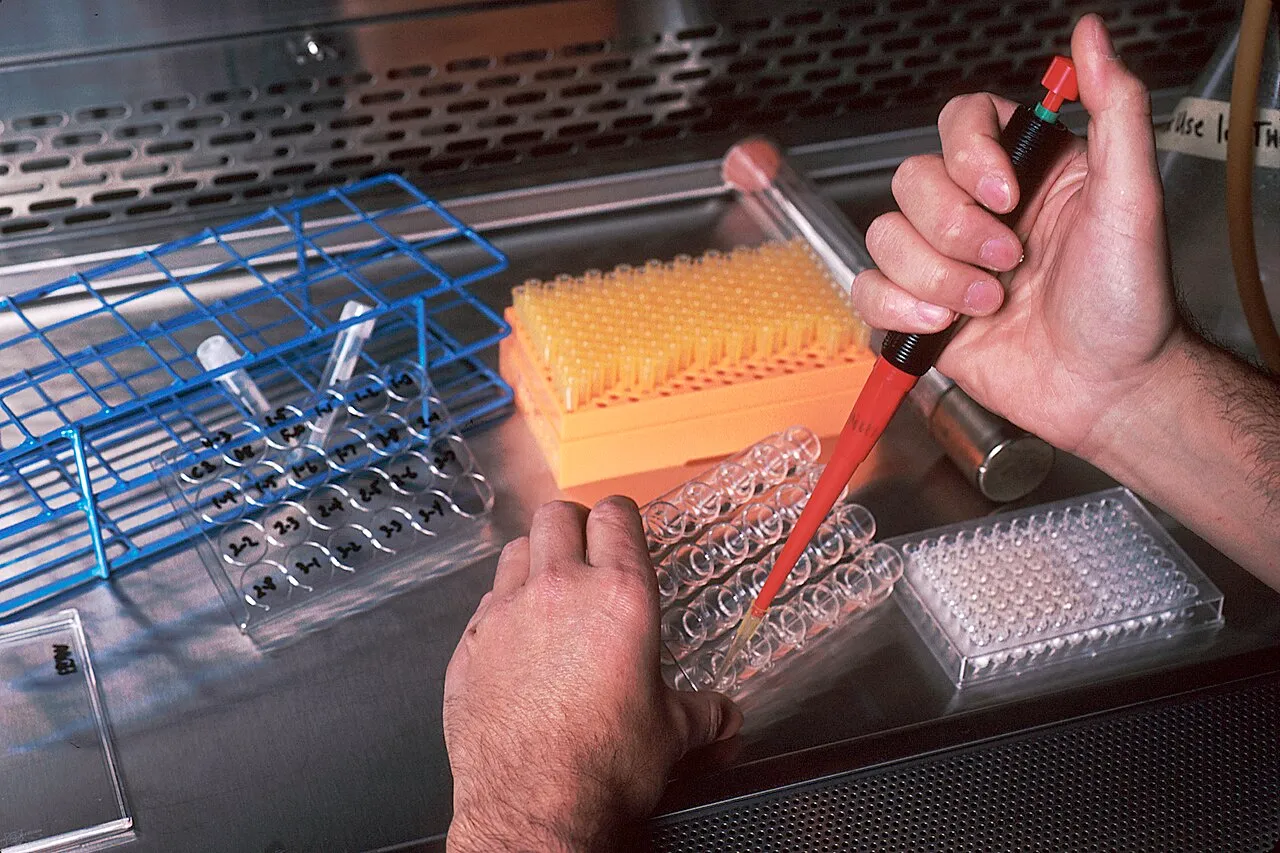
Semaglutide vs tirzepatide for weight loss — compare efficacy, side effects & cost using real clinical trial data. Read the full comparison now.
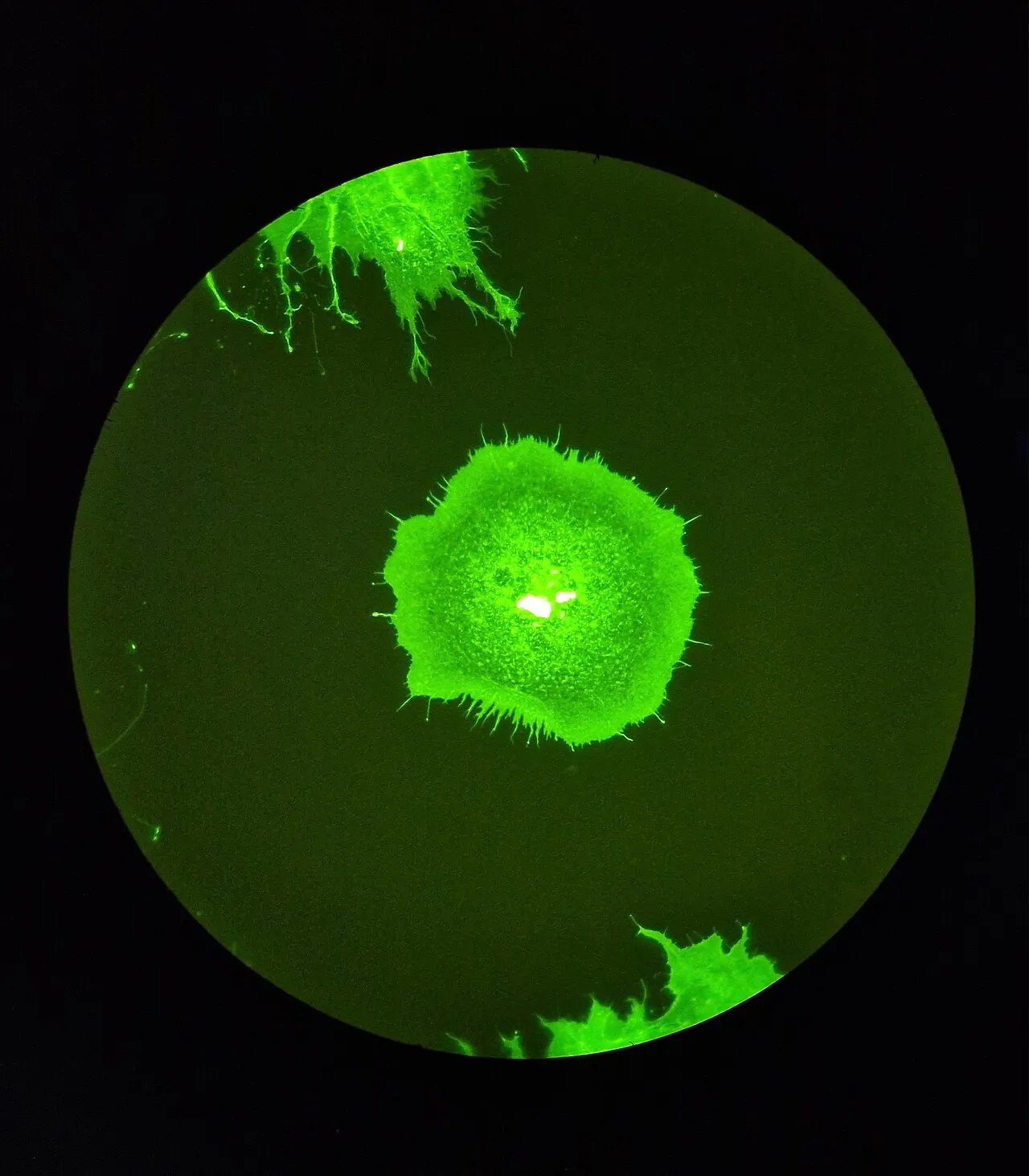
Tesamorelin Ipamorelin research peptide explained: purity, COA, HPLC/MS data, CAS numbers, solubility, and storage for U.S. laboratory buyers.
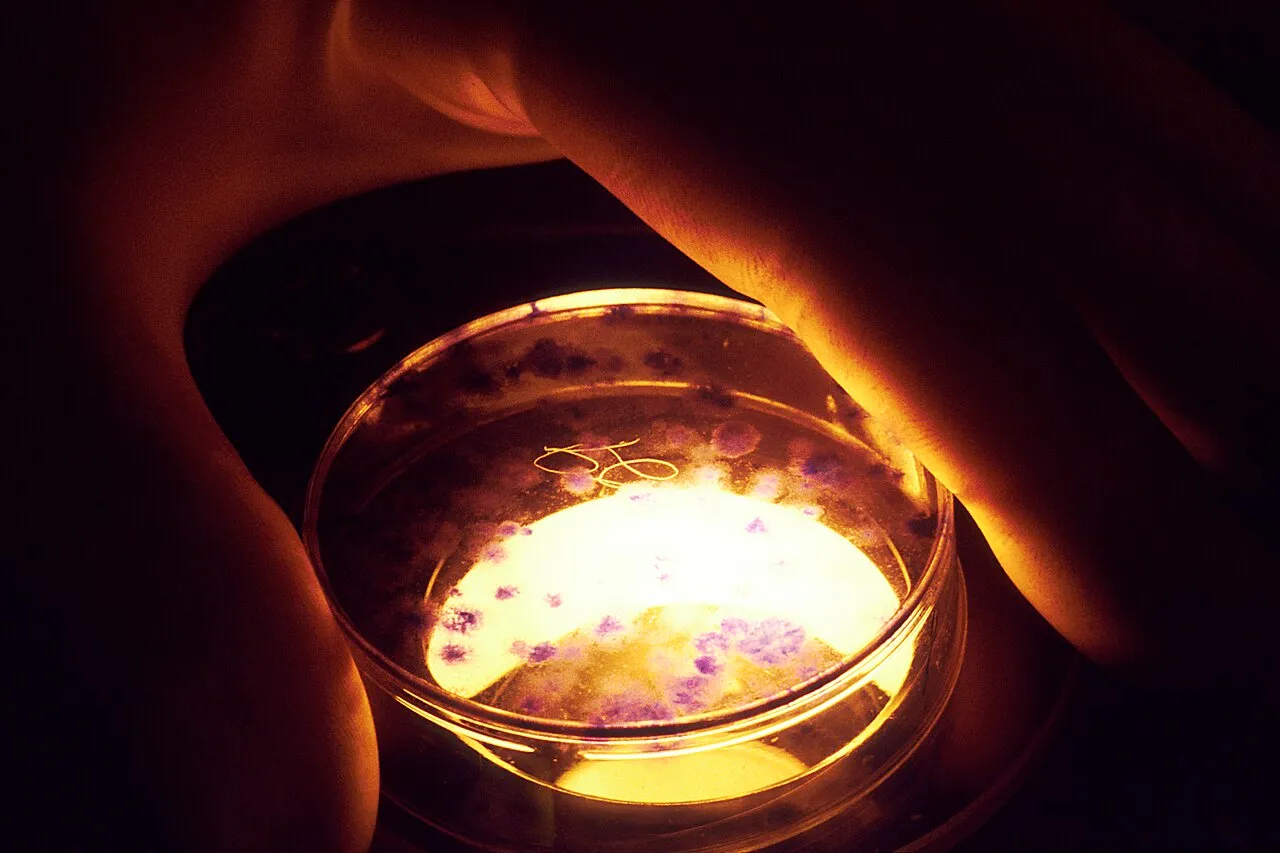
Retatrutide vs tirzepatide: compare mechanisms, clinical trial results, FDA status, and safety data in this evidence-based 2026 guide.
(faqs)