BPC-157 10mg is a research-grade synthetic pentadecapeptide formulated for laboratory investigations involving peptide signaling, extracellular matrix biology, angiogenesis, nitric oxide pathways, and cellular communication. Every batch undergoes comprehensive analytical verification to ensure purity, consistency, and reproducibility, making it suitable for advanced molecular biology, peptide pharmacology, biochemical research, and extended laboratory investigations.
HPLC certified
Independent analysis
Highest standard
Full traceability
BPC-157 10mg is an investigational 15-amino acid synthetic peptide widely studied in laboratory environments for its interaction with cellular signaling pathways associated with angiogenesis, extracellular matrix regulation, nitric oxide biology, growth factor signaling, and tissue-associated molecular mechanisms. Derived from a protective protein sequence originally identified in gastric juice, BPC-157 has become one of the most extensively investigated research peptides in regenerative biology, peptide pharmacology, and molecular signaling. Current keyword and search trend data continue to identify BPC-157 as one of the highest-interest research peptides in the United States, reflecting sustained demand from researchers investigating peptide biology.
The 10mg presentation is particularly suited for laboratories conducting extended experimental protocols, multi-phase molecular investigations, peptide characterization, receptor biology, analytical validation, biomarker discovery, and collaborative research projects requiring increased peptide availability. Researchers continue evaluating BPC-157 across nitric oxide signaling, angiogenic pathways, extracellular matrix biology, cytoskeletal regulation, vascular communication, and intracellular signaling networks under carefully controlled laboratory conditions. Manufactured according to research-grade quality standards and supported by comprehensive analytical verification, BPC-157 10mg provides laboratories with a dependable investigational peptide for advanced biochemical and molecular research.
BPC-157 10mg is a research-grade synthetic pentadecapeptide composed of fifteen amino acids and recognized as one of the most extensively investigated compounds within modern peptide science. Originally derived from a naturally occurring protective protein sequence identified in gastric juice, BPC-157 has attracted substantial scientific interest because of its investigation across multiple molecular signaling pathways associated with angiogenesis, extracellular matrix biology, nitric oxide signaling, cellular communication, and peptide pharmacology. Its unique molecular characteristics continue to establish BPC-157 as an important investigational peptide in molecular biology, biochemical research, and regenerative science.
Unlike many investigational peptides that primarily interact with a single receptor system, BPC-157 is investigated for its involvement across multiple intracellular signaling networks. Researchers examine peptide-mediated communication involving vascular endothelial signaling, nitric oxide regulation, extracellular matrix remodeling, focal adhesion complexes, cytoskeletal organization, growth factor signaling, and molecular communication. This broad investigational profile distinguishes BPC-157 from numerous other synthetic research peptides and continues to drive scientific interest across multiple research disciplines.
One of the most extensively investigated aspects of BPC-157 involves angiogenesis and vascular biology. Laboratory investigations evaluate interactions with vascular endothelial growth factor (VEGF) signaling, endothelial cell communication, angiogenic regulation, vascular remodeling, and molecular mechanisms associated with blood vessel development under controlled laboratory conditions. These investigations continue expanding scientific understanding of vascular biology and peptide-mediated signaling pathways.
Researchers also investigate BPC-157 extensively within nitric oxide (NO) signaling pathways. Current laboratory studies examine nitric oxide synthase (NOS)-associated molecular signaling, endothelial communication, intracellular messenger systems, oxidative balance, vascular regulation, and peptide-mediated biochemical communication. These investigations contribute to growing scientific knowledge of nitric oxide biology without implying therapeutic applications.
Extracellular matrix regulation remains another major focus of BPC-157 research. Scientific investigations evaluate interactions involving collagen-associated signaling, fibroblast biology, extracellular matrix remodeling, integrin-mediated communication, focal adhesion kinase (FAK) signaling, cytoskeletal organization, and cellular migration. Researchers continue investigating these coordinated molecular processes to better understand structural biology and intracellular communication.
Current investigations additionally examine interactions between BPC-157 and signaling pathways involving VEGF, fibroblast growth factors (FGFs), transforming growth factor-beta (TGF-β), nitric oxide synthase (NOS), and additional regulatory proteins involved in cellular communication. These studies continue expanding scientific understanding of peptide-mediated molecular signaling and complex intracellular regulatory mechanisms.
Comparative peptide pharmacology remains another important area of laboratory investigation. Researchers frequently compare BPC-157 with investigational peptides including TB-500 (Thymosin Beta-4), GHK-Cu, KPV, AOD9604, and additional research peptides to evaluate differences in molecular structure, signaling mechanisms, biological pathways, peptide stability, and laboratory applications. These comparative investigations contribute to a broader understanding of peptide pharmacology and molecular biology.
The 10mg presentation is particularly appropriate for laboratories conducting multi-phase investigations, extended peptide signaling research, receptor biology studies, biomarker discovery programs, analytical validation, pharmacodynamic investigations, collaborative institutional research, and long-duration experimental workflows requiring greater peptide availability. Although different strengths are available for varying laboratory requirements, the molecular identity, peptide sequence, analytical quality standards, and scientific applications remain identical throughout the BPC-157 product family.
Beyond peptide signaling investigations, BPC-157 serves as an important analytical reference material for peptide chemistry, analytical chemistry, molecular characterization, stability assessments, pharmacodynamic investigations, biomarker discovery, analytical method development, assay optimization, and systems biology. Its reproducible analytical profile and well-characterized peptide sequence make it valuable for laboratories conducting sophisticated biochemical investigations.
Each batch of BPC-157 10mg is manufactured according to research-grade production standards and undergoes comprehensive analytical verification before release. Quality assurance procedures include High-Performance Liquid Chromatography (HPLC) purity analysis, molecular identity confirmation, peptide sequence verification, and rigorous batch-specific quality control testing. These analytical measures support reproducibility, consistency, and confidence across independent laboratory investigations.
To preserve molecular integrity, BPC-157 should be stored according to accepted laboratory recommendations for lyophilized peptides. Appropriate storage conditions, controlled handling practices, and adherence to established laboratory protocols help maintain peptide stability before analytical evaluation and experimental preparation.
Although BPC-157 continues to be one of the most actively investigated research peptides worldwide, scientific investigations continue exploring peptide signaling, nitric oxide biology, angiogenesis, extracellular matrix regulation, vascular communication, and molecular pharmacology. Consequently, BPC-157 10mg should be regarded as an investigational research peptide intended exclusively to support laboratory research and scientific discovery.
BPC-157 10mg is supplied exclusively for laboratory research and analytical applications. This product is intended for Research Use Only (RUO) and is not approved for human consumption, therapeutic use, veterinary applications, or diagnostic purposes.
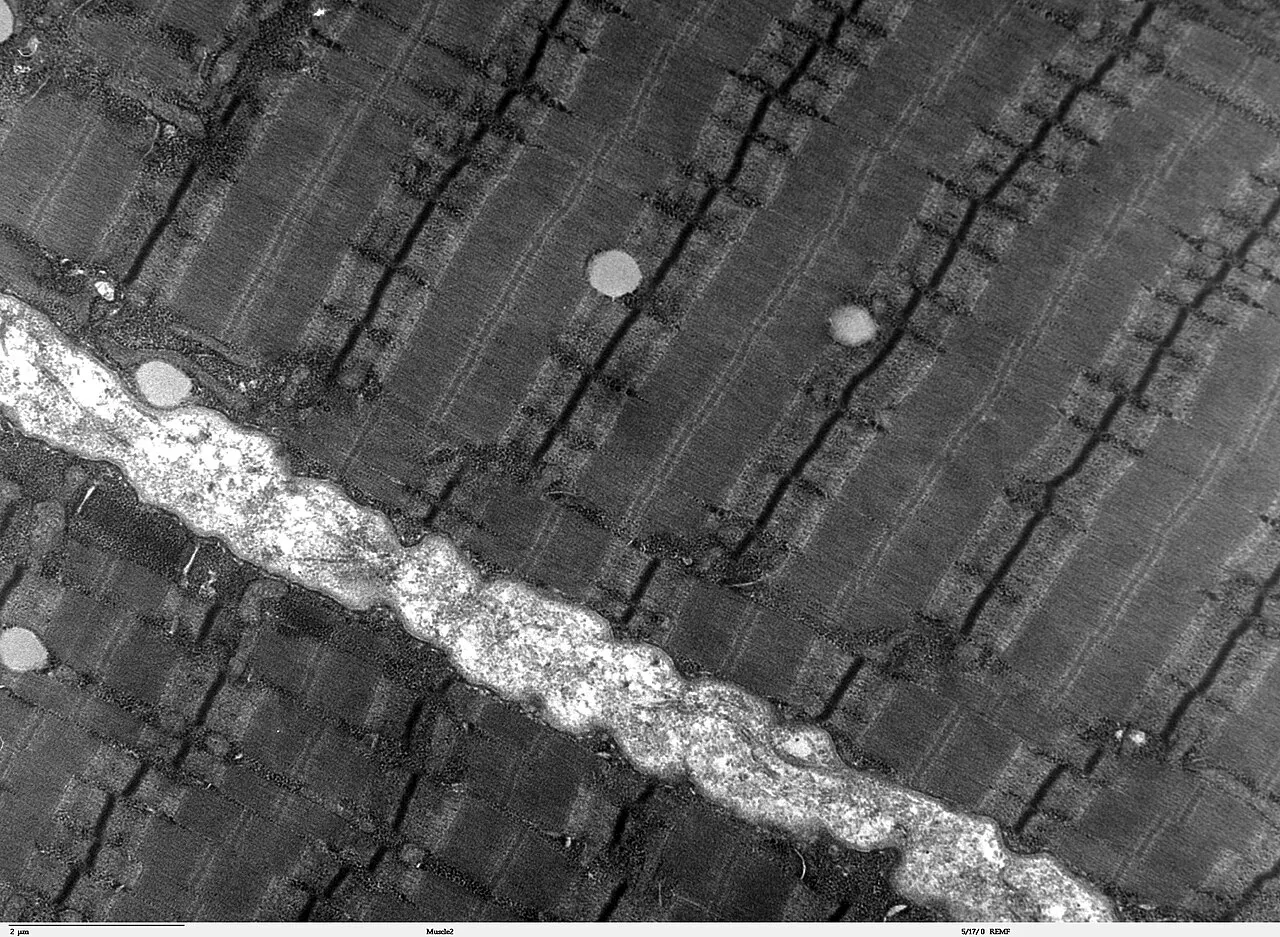
Discover BPC-157 peptide benefits for tissue repair, wound healing, and gut health. Learn how this research-backed peptide supports injury recovery and digestive wellness.
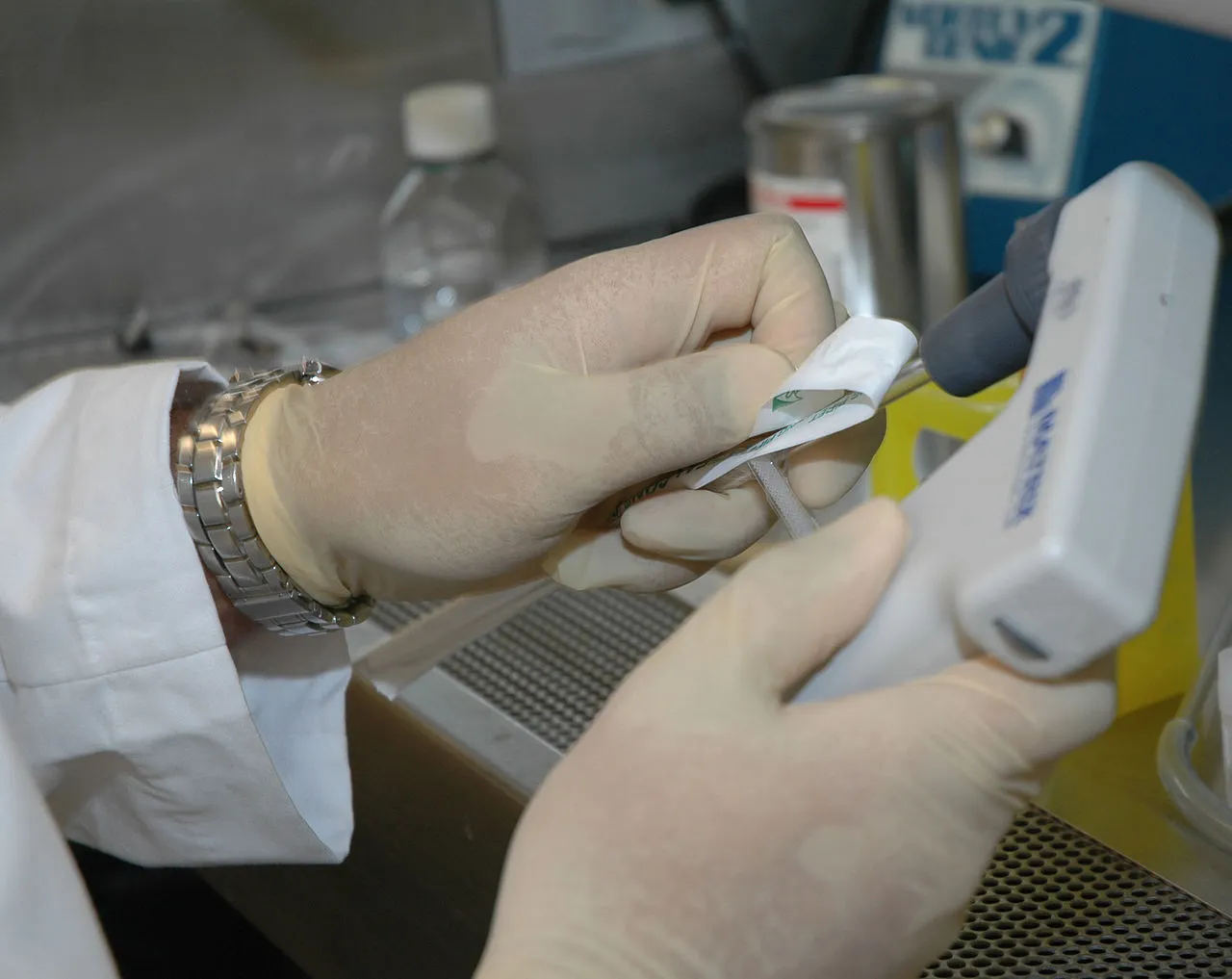
Discover how BPC-157 spray supports recovery, accelerates tissue repair, promotes gut health, and reduces inflammation. Learn mechanisms, dosage, protocols, and expert strategies for optimal healing.
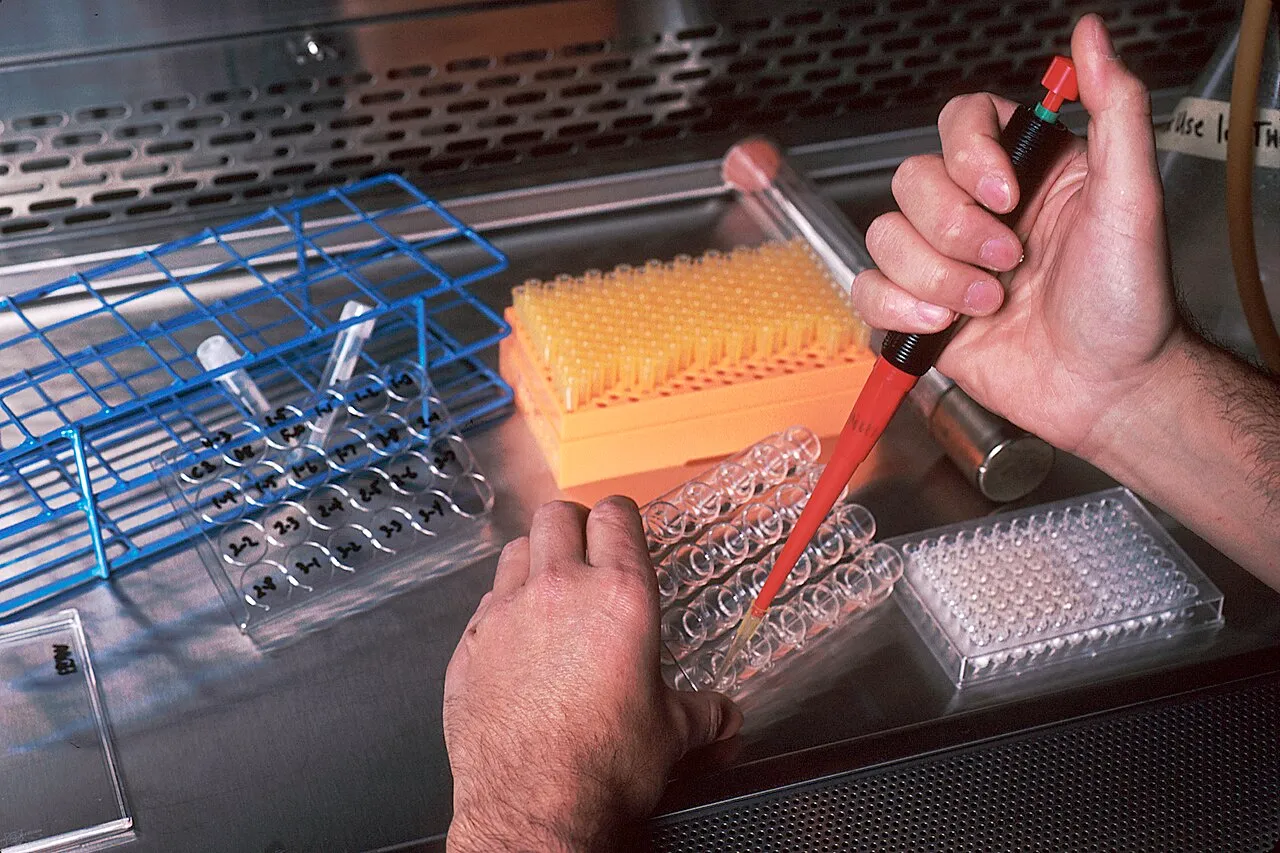
Semaglutide vs tirzepatide for weight loss — compare efficacy, side effects & cost using real clinical trial data. Read the full comparison now.
(faqs)