NAD+ 500mg is a research-grade nicotinamide adenine dinucleotide (NAD⁺) compound developed for laboratory investigations involving cellular bioenergetics, mitochondrial function, redox biology, metabolic regulation, and intracellular signaling. Every batch undergoes comprehensive analytical verification to ensure purity, consistency, and reproducibility, making it suitable for advanced molecular biology, biochemistry, and metabolomics research.
HPLC certified
Independent analysis
Highest standard
Full traceability
NAD+ 500mg is an investigational form of nicotinamide adenine dinucleotide (NAD⁺), one of the most extensively studied biological cofactors involved in cellular metabolism and energy production. As an essential coenzyme participating in hundreds of enzymatic reactions, NAD⁺ serves as a central molecule in mitochondrial function, oxidation-reduction (redox) reactions, DNA repair pathways, and intracellular signaling. Its fundamental role in cellular physiology has established NAD⁺ as a cornerstone research compound in biochemistry, molecular biology, and metabolic science.
The 500mg presentation is particularly suited for laboratories conducting large-scale metabolic investigations, mitochondrial biology research, enzymology, metabolomics, analytical validation, biomarker discovery, and high-throughput experimental workflows. Researchers continue investigating NAD⁺ metabolism, coenzyme recycling, sirtuin biology, PARP-mediated pathways, and mitochondrial communication under carefully controlled laboratory conditions. Manufactured according to research-grade quality standards and supported by comprehensive analytical verification, NAD+ 500mg provides laboratories with a dependable investigational compound for advanced cellular metabolism and molecular research.
NAD+ 500mg is a research-grade preparation of nicotinamide adenine dinucleotide (NAD⁺), a naturally occurring coenzyme essential to cellular metabolism and mitochondrial energy production. Present in virtually every living cell, NAD⁺ functions as an electron carrier that facilitates oxidation-reduction reactions while supporting numerous enzymatic processes involved in energy metabolism, molecular signaling, and cellular homeostasis. Because of its central biochemical role, NAD⁺ has become one of the most extensively investigated molecules in metabolic biology and molecular medicine.
One of the defining characteristics of NAD⁺ research is its participation in redox reactions that drive cellular energy metabolism. Researchers investigate how NAD⁺ cycles between its oxidized (NAD⁺) and reduced (NADH) forms during glycolysis, the tricarboxylic acid (TCA) cycle, and oxidative phosphorylation. These biochemical reactions are fundamental to mitochondrial ATP generation, making NAD⁺ a critical molecule for investigations involving cellular bioenergetics and mitochondrial physiology.
Current laboratory investigations also examine the role of NAD⁺ as a substrate for important enzyme families including sirtuins (SIRT1–SIRT7), poly(ADP-ribose) polymerases (PARPs), CD38, and other NAD⁺-consuming enzymes. Researchers evaluate how these enzymes regulate intracellular signaling, protein modification, chromatin biology, DNA repair mechanisms, and metabolic adaptation under controlled laboratory conditions. These investigations continue expanding scientific understanding of NAD⁺-dependent cellular regulation.
Scientific investigations further explore NAD⁺ metabolism through pathways involving the salvage pathway, Preiss–Handler pathway, and de novo biosynthesis. Researchers investigate how nicotinamide, nicotinic acid, nicotinamide riboside (NR), and nicotinamide mononucleotide (NMN) contribute to intracellular NAD⁺ homeostasis and coenzyme recycling. These studies provide valuable insight into metabolic regulation, enzyme kinetics, and cellular cofactor balance.
Comparative metabolic research represents another important area of investigation. Researchers frequently compare NAD⁺ with investigational compounds including NMN, Nicotinamide Riboside (NR), 5-Amino-1MQ, MOTS-C, and other metabolic research compounds to evaluate differences in biochemical pathways, intracellular metabolism, coenzyme availability, and mitochondrial regulation. These comparative investigations continue advancing metabolomics and systems biology research.
The 500mg presentation is particularly appropriate for laboratories conducting long-duration metabolic studies, multi-phase biochemical investigations, analytical validation, high-throughput screening, biomarker discovery, pharmacodynamic research, and collaborative institutional research requiring larger quantities of investigational material. Although different package sizes may be available, the molecular identity, biochemical characteristics, analytical quality standards, and research applications remain consistent throughout the NAD⁺ product family.
Beyond mitochondrial metabolism research, NAD⁺ serves as an essential analytical reference compound for metabolomics, analytical chemistry, enzymology, molecular characterization, systems biology, biomarker investigations, assay optimization, and advanced biochemical research. Its well-characterized molecular properties and reproducible analytical profile make it indispensable for laboratories investigating cellular metabolism and coenzyme biology.
Each batch of NAD+ 500mg is manufactured according to research-grade production standards and undergoes comprehensive analytical verification before release. Quality assurance procedures include High-Performance Liquid Chromatography (HPLC) purity analysis, molecular identity confirmation, and rigorous batch-specific quality control testing. These analytical measures support reproducibility, consistency, and confidence across independent laboratory investigations.
To preserve molecular integrity, NAD+ should be stored according to accepted laboratory recommendations for lyophilized research compounds. Appropriate storage conditions, controlled handling practices, and adherence to established laboratory protocols help maintain compound stability before analytical evaluation and experimental use.
Although NAD⁺ has been studied extensively for decades, scientific investigations continue exploring mitochondrial communication, cellular metabolism, redox biology, coenzyme recycling, intracellular signaling, and enzymatic regulation. Consequently, NAD+ 500mg should be regarded as an investigational research compound intended exclusively to support laboratory research and scientific discovery.
NAD+ 500mg is supplied exclusively for laboratory research and analytical applications. This product is intended for Research Use Only (RUO) and is not approved for human consumption, therapeutic use, veterinary applications, or diagnostic purposes.
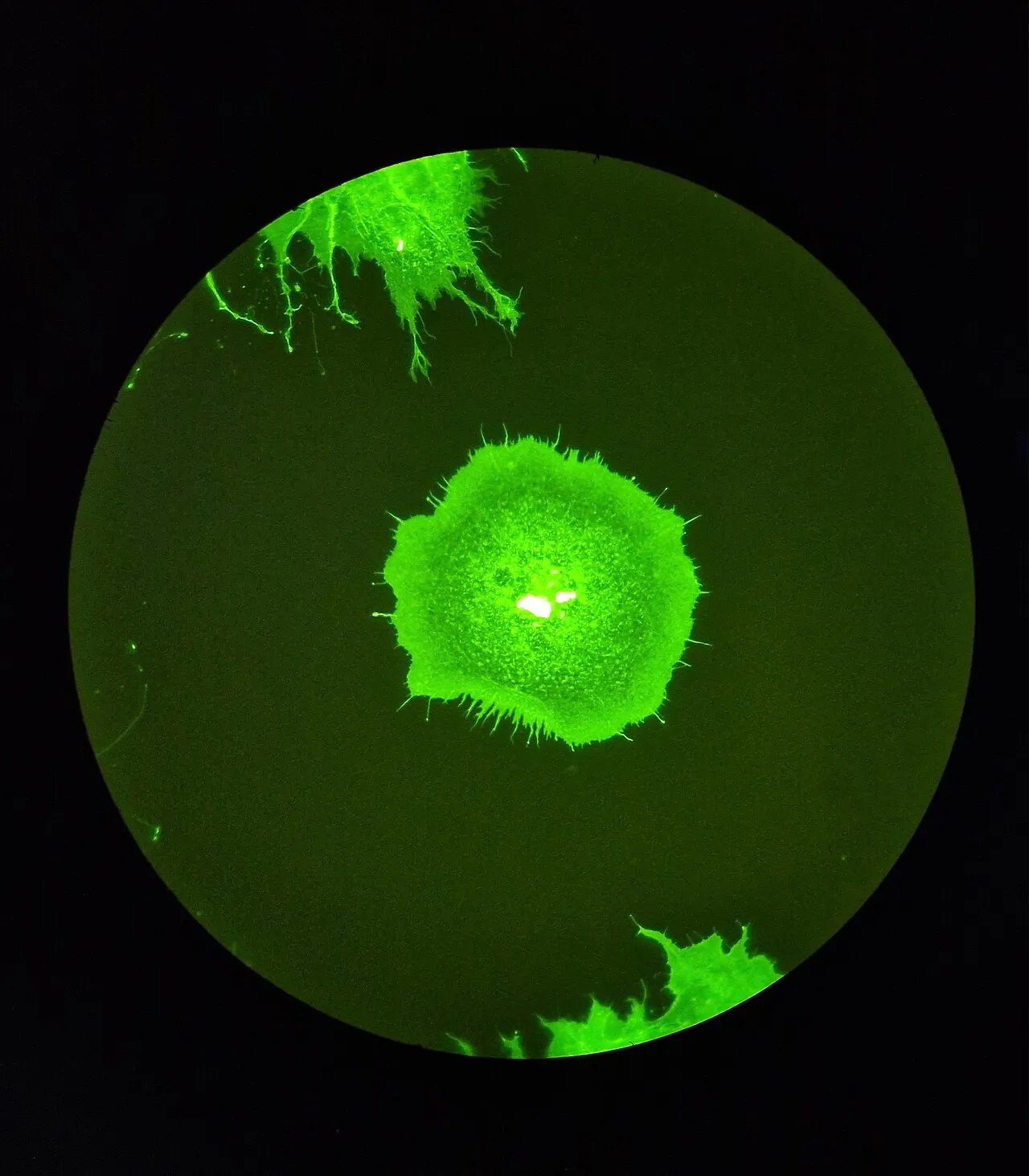
Discover NAD+: the master cofactor supporting cellular energy production, metabolic health, cognitive function, and healthy aging. Complete research guide on NAD+-dependent cellular mechanisms.
Semaglutide vs tirzepatide for weight loss — compare efficacy, side effects & cost using real clinical trial data. Read the full comparison now.
Tesamorelin Ipamorelin research peptide explained: purity, COA, HPLC/MS data, CAS numbers, solubility, and storage for U.S. laboratory buyers.
(faqs)